Premium Yogurt Storage Solutions: Maintaining Homemade Yogurt Fresh Using Large Storage Containers and Expert Preservation Tips
Correctly storing homemade yogurt is crucial for keeping its quality and taste. Large storage containers are particularly beneficial, as they enable bulk preparation and reduce waste. Understanding the best practices for yogurt preservation can substantially extend its shelf life. Selecting the right container and employing expert techniques are essential. Nevertheless, many ignore common mistakes that can diminish quality. Find out how to effectively store yogurt and keep it delicious for longer.
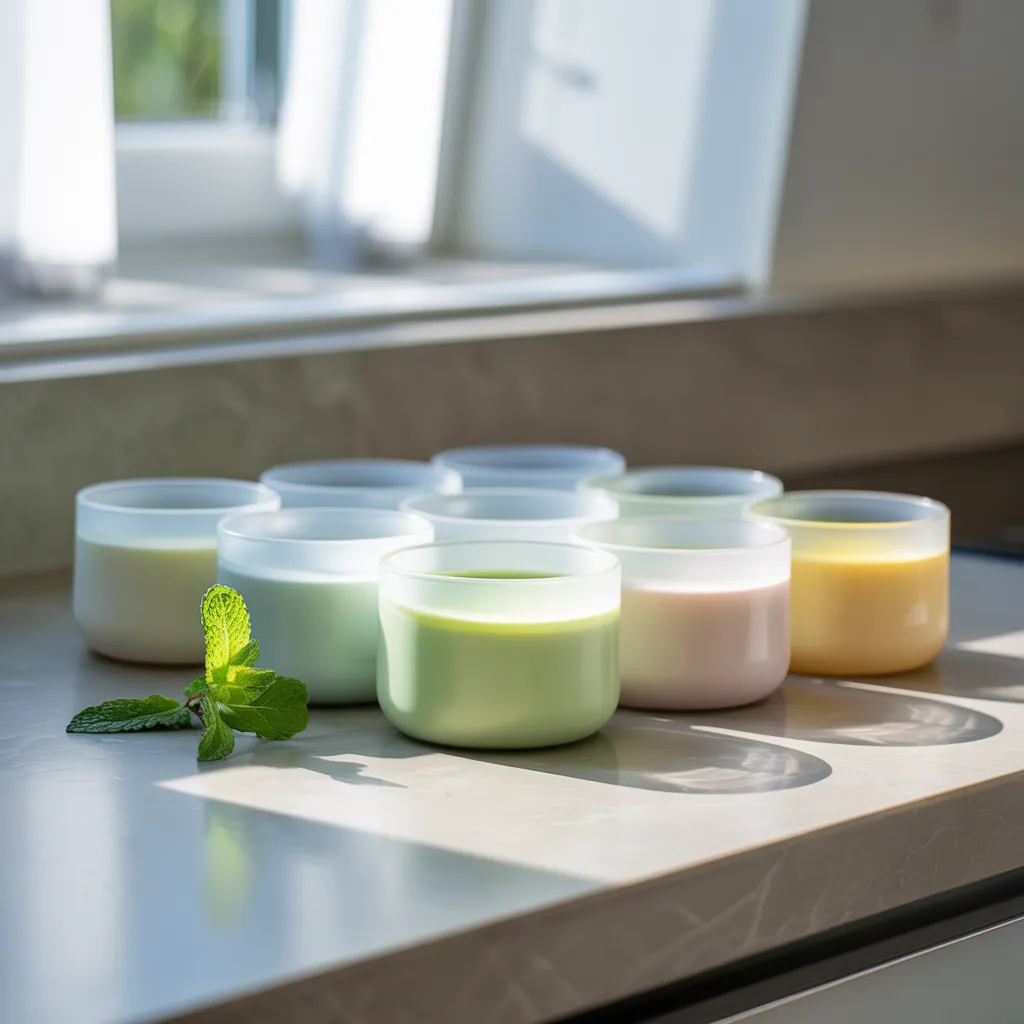
Why Opt for Large Storage Containers for Yogurt?
Why opt for large storage containers for yogurt the best choice? Going with large storage containers presents numerous perks for yogurt enthusiasts. First and foremost, these containers contain larger quantities, making them excellent for bulk preparation. This flexibility allows users to save time by preparing yogurt in large batches rather than in tiny portions.
In addition, large containers enable easier mixing and serving, lowering the risk of spills during transfer. Their generous size also reduces the need for multiple smaller containers, which can fill up storage spaces and make difficult organization.
Furthermore, larger containers often offer better insulation, allowing them to maintain a uniform temperature for yogurt preservation. This is essential in lengthening the shelf life of homemade yogurt, securing maximum freshness and taste. Finally, large storage containers are generally more cost-effective, as they lower the overall packaging waste compared to multiple smaller containers. Consequently, picking large storage containers provides a practical solution for yogurt storage.
Leading Large Containers for Homemade Yogurt
Picking the right large container for homemade yogurt can substantially elevate the yogurt-making experience. Multiple options are available, each with unique advantages. Glass jars are a popular choice because of their non-reactive nature and ability to retain temperature. They also enable easy monitoring of yogurt consistency. Food-grade plastic containers are lightweight and often come with airtight lids, which are vital for keeping freshness. Stainless steel containers also work effectively, as they are durable and resistant to odors or stains.
For those seeking convenience, large yogurt makers often come with built-in containers, ensuring optimal fermentation conditions. In addition, evaluate containers that are convenient to stack and keep, efficiently using space in the refrigerator. At the end of the day, choosing a container that matches individual preferences and yogurt-making requirements will lead to a rewarding homemade yogurt experience.
Storing Homemade Yogurt Correctly for Maximum Freshness
Maintaining homemade yogurt correctly is vital for preserving its taste and flavor. To maintain quality, it is necessary to transfer the yogurt into clean, airtight containers right away after preparation. This reduces exposure to air, which can cause spoilage and contamination. The containers should be constructed from glass or BPA-free plastic, as these materials will not react with the yogurt.
Once stored, the yogurt needs to be kept in the refrigerator at a steady temperature under 40°F (4°C). It is wise to label containers with the preparation date to maintain awareness of freshness. Homemade yogurt generally lasts approximately one to three weeks in the refrigerator, but its quality can diminish over time.
Freezing yogurt in smaller portions can be effective for longer storage, even though the texture may be affected. Once thawed, yogurt works better in smoothies or cooking than for eating plain. Appropriate storage methods guarantee delicious yogurt.
Important Features of Large Yogurt Storage Containers
Sizable yogurt storage containers should have an airtight seal design to ensure the freshness of the yogurt is maintained over time. Furthermore, using BPA-free materials is vital for health and safety purposes. These essential features enhance the overall effectiveness and reliability of yogurt storage solutions.
Airtight Seal Design
A reliable content airtight seal is critical for large yogurt storage containers, as it preserves the freshness and longevity of the yogurt inside. This design feature inhibits air from entering, which can cause spoilage, bacterial growth, and flavor degradation. Top-tier containers typically employ silicone gaskets or locking mechanisms that deliver a secure closure, reducing the risk of leaks and contamination. In addition, a well-designed airtight seal should be simple to open and close, allowing for convenient access while maintaining its effectiveness. Users should seek containers that offer a visible indicator of a proper seal, offering peace of mind that their homemade yogurt remains protected. Finally, an airtight seal is a key component for exceptional yogurt storage.
Materials Without BPA
For those selecting yogurt storage containers, BPA-free materials constitute an essential consideration, as they guarantee safety and health for users. Bisphenol A (BPA) is a chemical often found in plastics that can leach into food, potentially causing health issues. Selecting containers made from BPA-free materials, such as certain types of polypropylene or glass, guarantees that homemade yogurt remains uncontaminated. These materials not only stop the transfer of harmful substances but also retain the yogurt's flavor and freshness. Moreover, BPA-free containers often offer durability and resistance to cracking, making them ideal for long-term storage. All things considered, opting for BPA-free yogurt containers is essential for health-conscious individuals who prioritize both safety and quality in their food storage solutions.
Extending Your Yogurt's Shelf Life
To extend yogurt's shelf life, keeping the appropriate storage temperature is essential. Moreover, employing airtight containers can substantially reduce exposure to airborne bacteria, maintaining freshness. These practices are crucial for keeping yogurt enjoyable and safe for extended periods.
Proper Storing Temperature
Even though yogurt is a nourishing and multipurpose food, its freshness and safety can significantly deteriorate if not stored at the correct temperature. To extend its shelf life, yogurt should best be held at or below 40°F (4°C). Refrigeration restricts the growth of detrimental bacteria, confirming the yogurt remains safe for consumption. Additionally, inconsistent temperatures can compromise yogurt's texture and flavor, leading to separation and spoilage. Thus, it is critical to limit the time yogurt spends at room temperature, especially during serving or transportation. By constantly maintaining the suitable storage temperature, yogurt enthusiasts can savor their homemade creations for a longer period without compromising quality or safety. Proper temperature management is an essential factor of yogurt preservation.
Utilizing Airtight Containers
Using an airtight container is vital for extending the shelf life of yogurt. These containers establish a barrier against air and moisture, which can result in spoilage and contamination. By sealing yogurt in an airtight environment, the growth of bacteria and mold is substantially reduced, allowing for longer preservation. Additionally, it helps preserve the yogurt's texture and flavor, preventing it from absorbing odors from other foods in the refrigerator. When selecting an airtight container, one should consider materials such as glass or high-quality plastic, as they offer sturdiness and ease of cleaning. Properly labeled containers also aid in tracking freshness, guaranteeing that homemade yogurt remains safe and enjoyable for consumption over time.
Stay Away from These Typical Yogurt Storage Blunders
Numerous individuals overlook common storage methods that can compromise the quality and quality of yogurt. One widespread mistake is failing to use airtight containers, which can lead to exposure to air and contaminants, resulting in spoilage. In addition, improper temperature control is another critical error; yogurt should be maintained at a consistent temperature between 32°F and 40°F. Repeatedly opening the container frequently can also bring in bacteria and result in faster spoilage, so it is best to portion yogurt into smaller containers for daily use. Additionally, neglecting to label containers with dates can mean consuming yogurt past its prime. Lastly, storing yogurt near strong-smelling foods can alter its flavor; for this reason, it is best to keep yogurt in a separate area of the refrigerator. By preventing these mistakes, people can optimize the shelf life and quality of their house-made yogurt.
Inventive Ideas to Work with Leftover Yogurt in Cooking
Surplus yogurt functions as a multipurpose ingredient in different culinary creations, enhancing cuisine and nibbles with its rich consistency and sharp taste. One popular use is in smoothies, where yogurt adds protein and a rich consistency. It can also function as a foundation for salad dressings, improving taste while offering a more nutritious option to mayonnaise.
In baking, yogurt can substitute for oil or butter in recipes for cakes and muffins, producing moist results. Additionally, it can be mixed into sauces and soups to create a creamy finish.
When it comes to savory preparations, yogurt proves exceptional in marinades, softening meats and enhancing flavor. It can also be utilized in dips, such as tzatziki, pairing well with vegetables or pita. Lastly, yogurt can be added to breakfast bowls, topped with granola, fruits, and nuts, offering a nutritious start to the day.
Common Questions
What Is the Freezer Storage Duration for Homemade Yogurt?
You can store homemade yogurt in the freezer for as long as two months. Following this duration, quality may deteriorate, yet it remains safe to eat provided it's sealed properly in airtight containers.
Can I Reuse Yogurt Containers for Homemade Yogurt Storage?
Yes, yogurt containers are suitable for being reused for keeping homemade yogurt, on the condition that they are thoroughly cleaned and sanitized. This aids in avoid contamination and guarantees the new yogurt maintains its quality and flavor during storage.
Is Glass or Plastic Better for Yogurt Storage?
Glass is typically favored for yogurt storage owing to its chemically stable composition, eliminating chemical leaching and preserving flavor integrity. Nevertheless, plastic containers are lightweight and shatter-resistant, making them a convenient choice for many users.
How to Tell if Your Yogurt Has Spoiled?
Indicators of spoiled yogurt include a bad smell, discoloration, or mold growth on the surface. Moreover, an unusual texture, such as excessive separation or curdling, shows that the yogurt is no longer safe to consume.
What Is the Best Temperature for Storing Yogurt?
The ideal temperature for yogurt storage is in the range of 32°F and 40°F (0°C to 4°C). This temperature range serves to preserve freshness and inhibit spoilage, ensuring the yogurt preserves its consistency and taste for an extended time.