An Uncomplicated Guide to Producing Creamy Vegan Yogurt at Home
Making creamy vegan yogurt at home delivers a fulfilling blend of simplicity and creativity. By picking the right ingredients and employing effective techniques, anyone can achieve a delightful homemade yogurt. Understanding the subtleties of fermentation, texture, and flavoring can elevate the final product. However, some may encounter challenges along the way. What techniques can help resolve these obstacles and improve the yogurt-making experience?
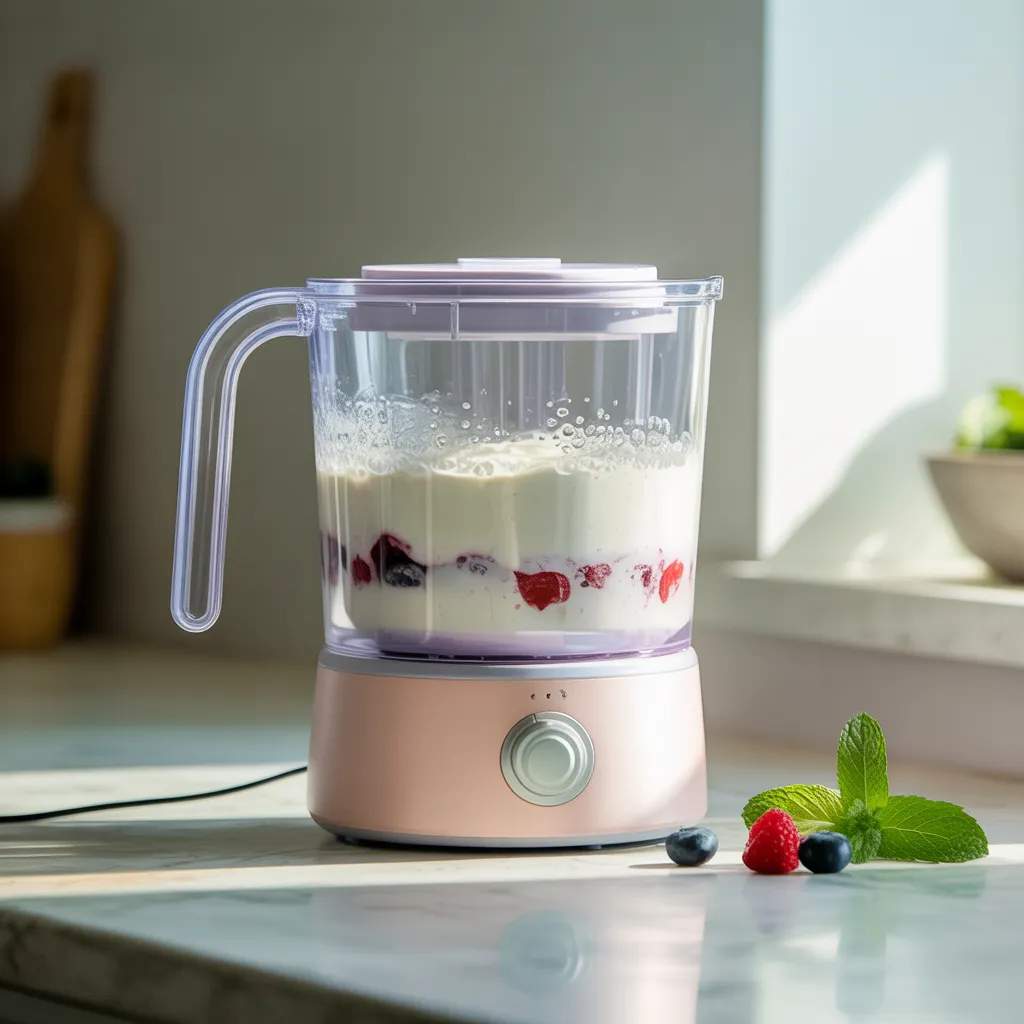
Detailed Step-by-Step Guide for Crafting Vegan Yogurt
To begin the process of creating creamy vegan yogurt at home, one must assemble essential ingredients and tools. A high-speed blender or food processor is essential for achieving a smooth consistency, while a clean glass container for fermentation will ensure ideal results. The process initiates with blending the chosen base, typically nuts or plant milk, until silky and free of lumps. Next, the mixture is carefully heated to promote fermentation and combined with a starter culture, which introduces beneficial bacteria.
Following thorough mixing, the container should be sealed and positioned in a warm environment for some hours, permitting the bacteria to grow. Inspecting the yogurt at intervals is necessary; once it has reached the proper thickness to the desired consistency, it can be chilled to cease fermentation. The final step requires transferring the yogurt to serving containers, ready to enjoy in assorted meals or as a stand-alone treat.
Key Ingredients for Your Vegan Yogurt
Producing smooth vegan yogurt requires a few key ingredients that establish the core of its texture and flavor. The principal component is the base, which can be obtained from nuts, seeds, or plant milks, each delivering distinct characteristics. Cashews, for example, deliver a full, creamy consistency, while coconut milk adds a exotic flair and natural sweetness.
Along with the base, a thickening agent is vital for obtaining the desired creaminess. Ingredients like agar-agar, tapioca starch, or pectin can be employed to enhance the yogurt's texture.
Furthermore, probiotics are necessary for fermentation, delivering tanginess and health benefits. Store-bought vegan yogurt can function as a starter, offering the required cultures. Finally, sweeteners and flavorings, such as maple syrup or vanilla extract, can be added to customize the yogurt, improving its overall appeal. These essential ingredients work together to create a tasty, creamy vegan yogurt at home.
The Way to Select the Best Base for Your Yogurt: Nuts, Seeds, or Plant Milks?
When selecting a base for vegan yogurt, the selection between nuts, seeds, and plant milks can significantly impact flavor and texture. Nut-based yogurts offer a creamy and rich texture, while options made from seeds provide unique nutritional properties. Additionally, plant milks provide a versatile alternative, each with its own factors regarding consistency and taste.
Benefits of Nut-Based Yogurt
Selecting the perfect base for homemade vegan yogurt can significantly influence both its texture and nutritional profile. Nut-based yogurt delivers several benefits, particularly concerning creaminess and flavor. Almonds, cashews, and macadamia nuts are favored choices, delivering a rich, velvety texture that closely mirrors traditional dairy yogurt. These nuts are also nutrient-dense, providing healthy fats, protein, and essential vitamins and minerals. For example, cashews are high in magnesium and antioxidants, while almonds offer vitamin E and calcium. Moreover, nut-based yogurts often contain probiotics when cultured properly, supporting gut health. Their versatility permits for a range of flavors, making nut-based yogurt a delightful addition to smoothies, desserts, or standalone snacks, appealing to those seeking a wholesome dairy alternative.
Seed Yogurt Options
A variety of seed-based yogurt choices can deliver a nourishing and creamy option to nut-based alternatives. Seeds like sunflower, pumpkin, and hemp are popular choices on account of their abundant nutrient profiles. Sunflower seeds, for instance, are loaded with vitamin E and magnesium, while pumpkin seeds deliver a great source of zinc and protein. Hemp seeds are remarkably advantageous, as they contain essential fatty acids and a complete amino acid profile. When picking seeds for yogurt, it is important to consider their flavor and texture, as these can substantially affect the final product. Soaking seeds before blending can boost creaminess and digestibility. In summary, seed-based yogurts are flexible and can accommodate different dietary needs and preferences.
Plant Milk Considerations
Choosing the right base for homemade vegan yogurt demands careful consideration of multiple options, including plant milks. Almond, soy, oat, and coconut milks are popular choices, each offering distinct flavors and textures. Almond milk offers a light taste but may lack creaminess, while soy milk is rich in protein and creates a thicker consistency. Oat milk is recognized for its naturally creamy texture but can be higher in carbohydrates. Coconut milk delivers a rich and creamy base, though it may impart a distinct coconut flavor. When selecting a plant milk, it is essential to opt for unsweetened varieties to avoid unwanted sweetness in the yogurt. Furthermore, checking for additives or thickeners can guarantee a healthier and more authentic yogurt-making experience.
Tips for Getting the Most Luxurious Yogurt Texture
Attaining a creamy texture in vegan yogurt demands thorough attention to multiple key factors. High-quality ingredients, the right fermentation temperature, and the use of thickening agents fulfill vital roles in the final product. By focusing on these elements, one can greatly improve the creaminess of homemade vegan yogurt.
Select Top-Quality Ingredients
When preparing creamy vegan yogurt at home, the picking of high-quality ingredients plays a crucial role in the final texture and flavor. Selecting organic, full-fat coconut milk or cashew cream can considerably enhance creaminess, as their natural fats deliver a rich mouthfeel. In addition, using fresh, non-GMO plant-based milk ensures better fermentation and taste. Incorporating a high-quality probiotic starter culture is equally crucial, as it determines the yogurt's tanginess and consistency. Avoiding additives or preservatives in the selected ingredients serves to maintain purity and flavor. By giving priority to these high-quality components, one can achieve a velvety and satisfying yogurt that serves as a delicious base for diverse toppings and flavors, elevating the overall homemade yogurt experience.
Manage Fermentation Temperature
Fermentation temperature significantly affects the texture and creaminess of homemade vegan yogurt. For best results, maintain the temperature between 110°F to 115°F (43°C to 46°C). Within this temperature range, helpful cultures flourish, encouraging a smooth and creamy consistency. If the temperature is too low, fermentation reduces in pace, leading to a thinner yogurt. In contrast, excessive heat can destroy the beneficial bacteria, resulting in inferior texture and flavor. Using a yogurt maker or an insulated container can help manage thermal conditions properly. Monitoring the fermentation process is also vital; a longer fermentation time at the right temperature can enhance creaminess. Consequently, managing fermentation temperature is essential for achieving the desired yogurt texture and overall quality.
Use Thickener Agents
Thickening substances play an important part in improving the texture of homemade vegan yogurt, converting it from a watery texture to a luxuriously creamy treat. Popular choices include agar-agar, cornstarch, and tapioca starch. Agar-agar, sourced from marine algae, contributes firmness, while cornstarch can be employed to create a smooth, velvety texture when cooked briefly. Tapioca starch, in contrast, adds an appealing stretchiness. When introducing these agents, it is vital to mix them with a small amount of water before adding to the yogurt base to prevent lumps. In addition, allowing the yogurt to rest after thickening assures perfect consistency. By trying out different agents, individuals can personalize their yogurt to achieve their preferred texture.
Inventive Techniques to Flavor Your Vegan Yogurt
While many appreciate the original taste of vegan yogurt, introducing flavors can elevate the satisfaction and cater to individual preferences. One widely-used technique is to blend in fresh fruit, such as berries, mango, or banana, which not only contributes sweetness but also improves the nutritional value. For those seeking a more indulgent flavor, a dollop of nut butter or a sprinkle of cocoa powder can transform the yogurt into a indulgent treat.
Aromatic herbs and spices deliver exceptional flavor dimensions; for example, a dash of cinnamon or vanilla extract can create comforting warmth and appeal. Another option includes adding citrus zest for tanginess or fruit juice for brightness. Lastly, trying commercial flavor extracts or preparing fresh fruit compotes offers unlimited options. Such innovative methods ensure that vegan yogurt remains exciting and personalized to suit any palate.
Common Issues and Their Solutions for Vegan Yogurt
Enhancing vegan yogurt can be a delightful process, but it can also pose challenges for home cooks. One frequent issue is achieving the desired texture; if the yogurt is too thin, adding a thickening agent like agar-agar or pectin can assist. Conversely, if the yogurt is excessively thick, blending in a little plant-based milk can restore creaminess.
Inconsistent fermentation represents another prevalent problem, which can develop from inappropriate temperatures. Keeping a consistent temperature, optimally between 105°F to 115°F, is crucial for appropriate bacterial activity.
Flavor imbalance can also occur, often due to excessive sweetness or acidity. To balance this out, incorporating a dash report of salt or a bit of lemon juice can enhance flavors harmoniously. Lastly, if the yogurt exhibits an unusual scent, it could signal contamination; in this case, it is advisable to dispose of the batch and start fresh to maintain safety.
Common Questions
How Long Will Homemade Vegan Yogurt Stay Fresh in the Fridge?
Homemade vegan yogurt typically lasts about 5 to 7 days in the fridge when kept in a sealed container. It is essential to check for any off odors or alterations in consistency prior to eating.
Can I Store Vegan Yogurt in the Freezer for Later?
Indeed, vegan yogurt can be frozen for later use. Nevertheless, you may notice textural changes after defrosting, becoming grainy or separated. Consuming it fresh provides the best taste and creamy texture.
Is It Safe to Use Homemade Yogurt as a Starter?
Employing homemade yogurt as a starter is typically safe, provided that it was created under clean conditions and stored appropriately. Nonetheless, reliability in results may differ, as bacterial content can differ from batch to batch.
How Do I Adjust the Thickness of My Yogurt?
To control yogurt thickness, one may modify the fermentation time, utilize different quantities of thickening agent, or strain the yogurt following fermentation. Working with these factors enables customized consistency to meet individual preferences.
What Items Do I Need for Making Vegan Yogurt?
To make vegan yogurt, you require a high-speed blender, a mixing bowl, a thermometer for monitoring temperature, a container for the fermentation process, and optionally, a cheesecloth or nut milk bag for straining should you wish.