A Comprehensive Guide to Your New Yogurt Maker
An in-depth guide to a new yogurt maker delivers crucial information for people wanting to prepare homemade yogurt. It discusses the primary features of the equipment, ingredient selection, and preparation strategies. Grasping the usual challenges can refine the yogurt-making experience. Additionally, the guide offers suggestions for flavor personalization and upkeep. Exploring these topics can greatly impact the quality of the final product, inviting further exploration into the art of yogurt-making.
Understanding Your Yogurt Maker
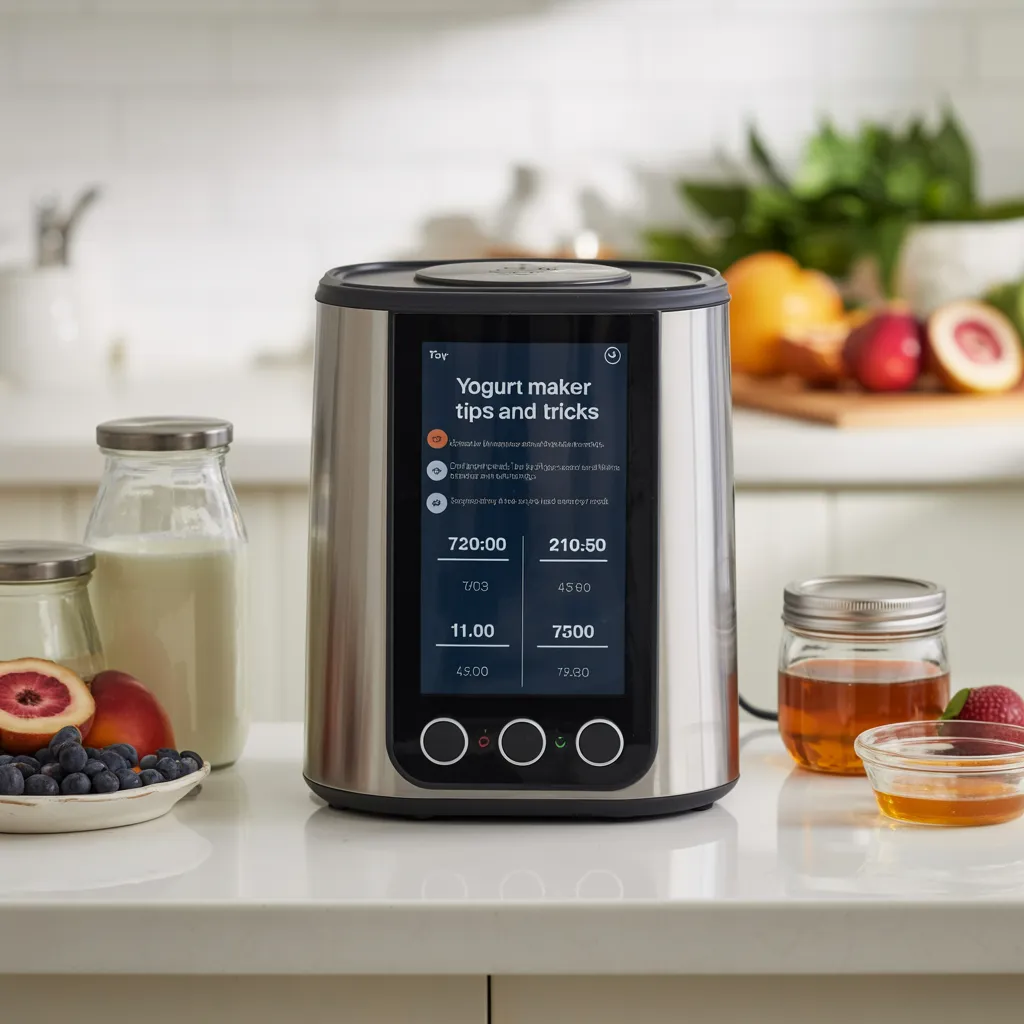
A yogurt maker is an indispensable appliance for those who wish to create delicious, homemade yogurt. Knowing the parts and features of this device can improve the yogurt-making experience. Commonly, a yogurt maker is made up of a base unit, containers, and a lid. The base contains the heating element, which preserves a constant temperature needed for fermentation. The majority of models are equipped with individual jars to permit flavor variety and portion control.
Users should familiarize themselves with the control panel, which may feature settings for time and temperature. Some sophisticated models include programmable options, allowing users to personalize their yogurt-making process. It is also vital to consider the capacity of the yogurt maker, as this will define how much yogurt can be produced in one batch. By grasping these fundamental aspects, individuals can optimize the potential of their yogurt maker and enjoy fresh yogurt tailored to their preferences.
Picking Elements for Your Yogurt Maker
While choosing ingredients for a yogurt maker, it is vital to focus on quality to obtain the best results. The decision of milk is crucial; whole or low-fat milk can yield different textures and flavors. Organic choices are encouraged for those seeking a more natural product, as they typically contain fewer additives. Non-dairy choices, such as almond or coconut milk, can also be employed, but may require additional thickeners to achieve a creamy consistency.
Beyond milk, the choice of yogurt starter culture is crucial in the fermentation process. High-quality, live-culture yogurts are ideal, as they contain beneficial bacteria essential for yogurt-making. Flavors and sweeteners can be introduced later, but using fresh, superior ingredients guarantees a superior base. Eventually, the right combination of milk and starter culture will affect the taste and texture of the final yogurt product.
How to Make Yogurt at Home: A Step-by-Step Guide
Preparing yogurt at home can be both an enjoyable and rewarding experience, allowing individuals to customize flavors and textures to their taste. The process starts by choosing quality ingredients, typically milk and a yogurt starter containing live cultures. First, the milk should be heated to around 180°F, then cooled to about 110°F. This temperature is optimal for the yogurt cultures to thrive.
After that, a small amount of the starter yogurt is incorporated into the cooled milk, ensuring it blends completely. The mixture is then placed in the yogurt maker, which provides a constant warm temperature. After about 6 to 12 hours, the yogurt is examined for consistency and flavor; prolonged fermentation produces a more tangy flavor. Once happy with the results, the yogurt should be cooled in the refrigerator to end fermentation. At last, it can be consumed on its own or with added flavors and toppings, offering a flexible addition to any meal or snack.
5 Common Errors to Steer Clear Of When Making Your Own Yogurt
Preparing yogurt at home can be a simple endeavor, however certain pitfalls can result in disappointing outcomes. One common mistake is using milk that is not new or properly pasteurized, which can impact fermentation. Another error is not managing to maintain the right temperature during the incubation phase; temperatures that are too low can result in runny yogurt, while excessively high temperatures may destroy the cultures.
Not measuring ingredients properly can also disrupt the fermentation process, as the right balance of milk and starter culture is vital. Additionally, some may ignore the importance of cleanliness; inadequate sanitization of utensils and containers can introduce unwanted bacteria. Ultimately, not allowing adequate time for fermentation can yield yogurt that is too thin or lacks flavor. Recognizing these mistakes can substantially enhance the yogurt-making experience and lead to delicious, homemade yogurt.
Flavoring and Customizing Your Home-Made Yogurt
Adding flavor to and personalizing homemade yogurt can improve its flavor and attractiveness. Possibilities with natural flavorings, sweeteners, and various fruits or toppings present unlimited opportunities for personalization. Experimenting with these options allows yogurt makers to create unique combinations that suit their individual preferences.
All-Natural Taste Selections
Natural flavoring alternatives can enhance homemade yogurt from a straightforward snack to a delightful culinary experience. Including fresh fruits is a common method, as peaches, berries, and mangoes lend natural sweetness and vivid colors. In addition, pureed fruits can produce a smooth texture and boost flavor. For those pursuing a more aromatic profile, almond extract or vanilla extract adds a subtle yet rich dimension. Spices and herbs, such as mint or cinnamon, can offer a unique twist, making the yogurt significantly more versatile. Citrus zest, particularly from lemons or oranges, introduces a energizing brightness. Playing with these natural flavoring options allows yogurt enthusiasts to tailor their creations, catering to personal tastes and preferences while bypassing artificial additives.
Sugar Substitutes and Additives
Sweeteners and additives fulfill a crucial purpose in enhancing the flavor and consistency of homemade yogurt. When personalizing yogurt, multiple sweeteners can be used, including honey, agave syrup, and maple syrup, each imparting unique flavors. For those looking for low-calorie alternatives, artificial sweeteners like stevia or erythritol can be appropriate choices. Moreover, natural flavorings such as vanilla extract or cocoa powder can elevate the yogurt experience without added sugars. Additives like gelatin or pectin can also improve texture, creating a creamier consistency. Thoughtful consideration of these elements allows yogurt enthusiasts to personalize their creations, ensuring a uniquely customized product that meets individual dietary preferences and taste profiles. Harmonizing sweetness with other flavors is critical to achieving the ideal yogurt.
Fruit and Topping Ideas
Homemade yogurt can be further enhanced by incorporating a variety of fruits and toppings, allowing for endless customization options. Berries, bananas, and peaches bring natural sweetness along with vibrant colors. Mango and pineapple serve as delightful additions for a tropical twist. Nuts such as almonds or walnuts offer a satisfying crunch, and granola brings a hearty texture. Sweeteners, such as honey or maple syrup, can complement the flavors without overpowering them. Cinnamon or vanilla extract serves to elevate the overall taste profile. Popular choices for a more indulgent experience include chocolate chips or coconut flakes. Individuals can personalize their yogurt to match their preferences through various fruits and toppings, elevating flavor and enjoyment.
How to Fix Common Yogurt Maker Issues?
While operating a yogurt maker, multiple common issues can occur that may disrupt the fermentation process. Understanding these problems and their simple solutions can help deliver a successful batch of yogurt. This section will outline the typical challenges faced and provide easy-to-follow remedies to enhance the yogurt-making experience.
Typical Issues Clarified
A lot of yogurt makers experience common challenges that can impede the fermentation process and influence the final product. One widespread challenge is inconsistent temperature, which can produce inadequate or prolonged fermentation. If the yogurt is too liquid or runny, it may reflect insufficient fermentation time or inappropriate starter culture. Conversely, a grainy texture often results from overheating during the process. Also, contamination from contaminated equipment can disturb the fermentation, introducing unwanted bacteria. Users may also experience separation of whey from the yogurt, which may be a symptom of extended fermentation or poor mixing. Additionally, if the yogurt maker cannot power on, it could be caused by electrical malfunctions, faulty connections, or damaged components. Identifying these common issues is crucial for troubleshooting effectively.
Immediate Fix Solutions
Though troubleshooting a yogurt maker can be overwhelming, understanding a few straightforward solutions can ease the process. A widespread issue is incomplete fermentation, which may stem from wrong temperature settings or an poor starter culture. Confirming that the yogurt maker is located in a stable area can enhance consistency. If the yogurt is too thin, lengthening the fermentation time or using a richer milk can help attain a richer texture. In cases of unpleasant odor or unusual colors, it is essential to clean visit this page the unit thoroughly and check the expiration date of products. Consistent maintenance, such as checking seals and checking proper electrical connections, can avert many issues. With these recommendations, users can enjoy a more dependable yogurt-making experience.
Your Questions Answered
Is It Possible to Use Non-Dairy Milk in My Yogurt Maker?
Indeed, dairy-free milk works well in yogurt makers. However, particular methods and bacterial cultures might be required for best fermentation. Testing various varieties may yield different textures and flavors in the end result.
How Long Will Homemade Yogurt Stay Fresh in the Refrigerator?
Homemade yogurt usually remains good for one to three weeks in the refrigerator. Its shelf life is determined by how it's stored and what ingredients were used. Well-sealed containers can substantially increase how long it lasts.
Is It Safe to Eat Yogurt Past Its Expiration Date?
Eating yogurt past its expiration date can be safe if it exhibits no signs of spoilage, such as off-smells or mold. However, it's best to use caution and follow food safety recommendations.
Can Yogurt Be Made Without a Yogurt Maker?
Yes, yogurt can be made without a yogurt maker. By employing a warm environment, such as an oven or insulated container, individuals can ferment milk with a yogurt starter culture to create homemade yogurt successfully.
What's the Ideal Temperature for Yogurt Fermentation?
The ideal temperature for yogurt fermentation ranges from 110°F to 115°F (43°C to 46°C). Maintaining this temperature allows beneficial bacteria to multiply, creating a smooth, creamy consistency and optimal flavor in homemade yogurt.